What Is WPC Wall Panel? A Complete Guide to Wood Plastic Composite Wall Panels
Introduction
In modern interior and exterior decoration, WPC wall panels have become a popular choice for homeowners, designers, contractors, and building material distributors. As a type of wood plastic composite material, WPC wall panels combine the natural appearance of wood with the durability and stability of plastic-based materials.
Compared with traditional wood panels, WPC wall panels offer better resistance to moisture, corrosion, cracking, and deformation. They are widely used in residential spaces, commercial interiors, hotels, offices, retail stores, exterior facades, and renovation projects.
For buyers looking for decorative wall materials that are stylish, practical, and easy to maintain, WPC wall panels provide a balanced solution between appearance, performance, and cost efficiency.
What Is WPC Wall Panel?
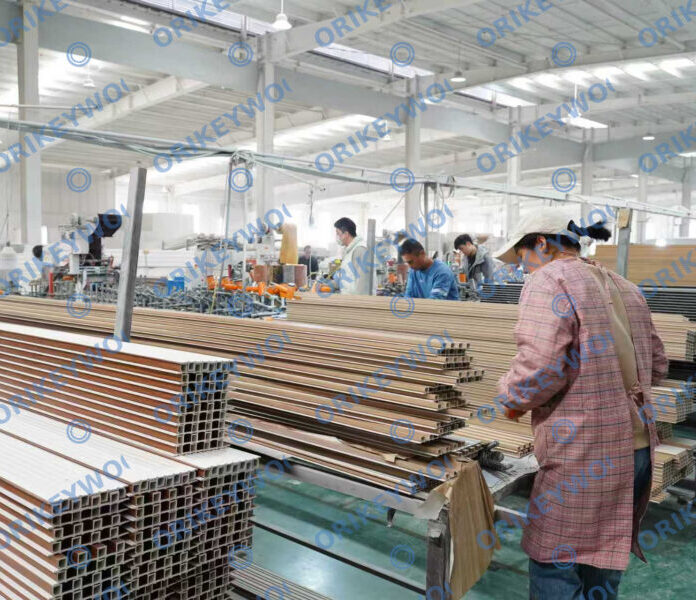
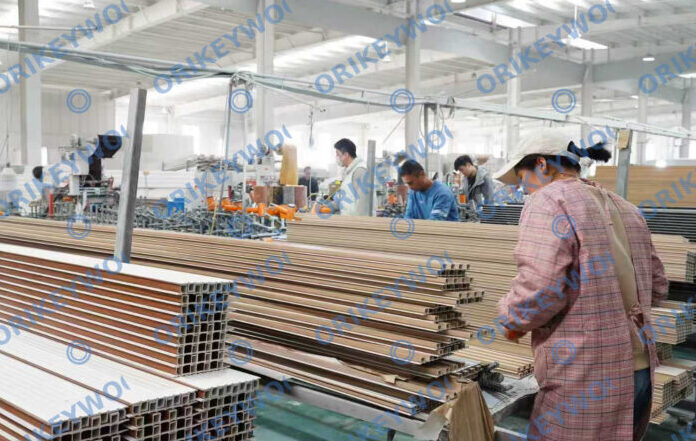
WPC stands for Wood Plastic Composite. A WPC wall panel is a decorative panel made by combining wood powder or wood fiber with plastic materials and functional additives. These materials are mixed, heated, extruded, cooled, and then processed into different panel shapes, textures, and surface finishes.
Common raw materials used in WPC wall panels include:
- Wood powder or bamboo fiber
- Recycled plastic such as PE, PP, or PVC
- Foaming agents
- Stabilizers
- Colorants
- Anti-UV or anti-aging additives
- Other performance-enhancing additives
The final product usually has the texture of natural wood, while offering improved resistance to water, insects, mold, and daily wear.
WPC wall panels can be used for both indoor decoration and outdoor wall cladding, depending on the formula, structure, and surface treatment of the product.
Main Applications of WPC Wall Panels
WPC wall panels are suitable for a wide range of decorative and architectural applications.
Indoor Applications
They are commonly used for:
- Living room background walls
- Bedroom feature walls
- Hotel and apartment interiors
- Office wall decoration
- Restaurant and café interiors
- Retail store decoration
- Ceiling decoration
- Corridor and lobby wall cladding
Outdoor Applications
Certain types of WPC panels are designed for outdoor use, including:
- Building facades
- Balcony walls
- Garden walls
- Exterior decorative cladding
- Commercial storefronts
- Landscape projects
Before choosing WPC panels for outdoor applications, buyers should confirm whether the product has proper weather resistance, UV resistance, and outdoor-grade formulation.
How Are WPC Wall Panels Made?
The production process of WPC wall panels generally includes several key steps.
1. Raw Material Preparation
Wood powder, plastic materials, and additives are prepared according to the product formula. The quality and proportion of raw materials directly affect the strength, stability, surface quality, and durability of the final panel.
2. Material Mixing
The wood fiber, plastic, and additives are mixed evenly. This step ensures that all materials are fully integrated before extrusion.
3. Extrusion Molding
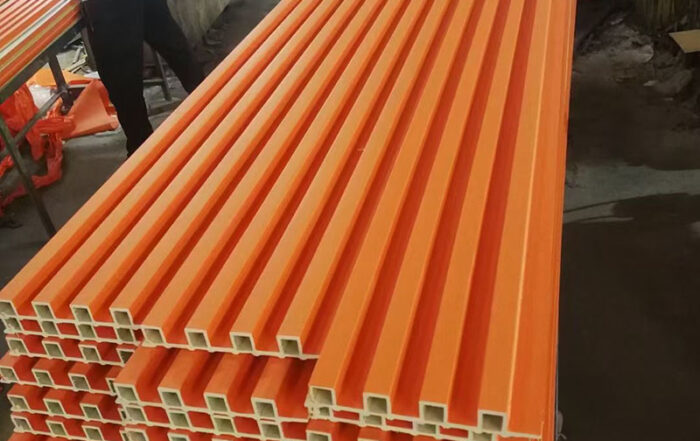
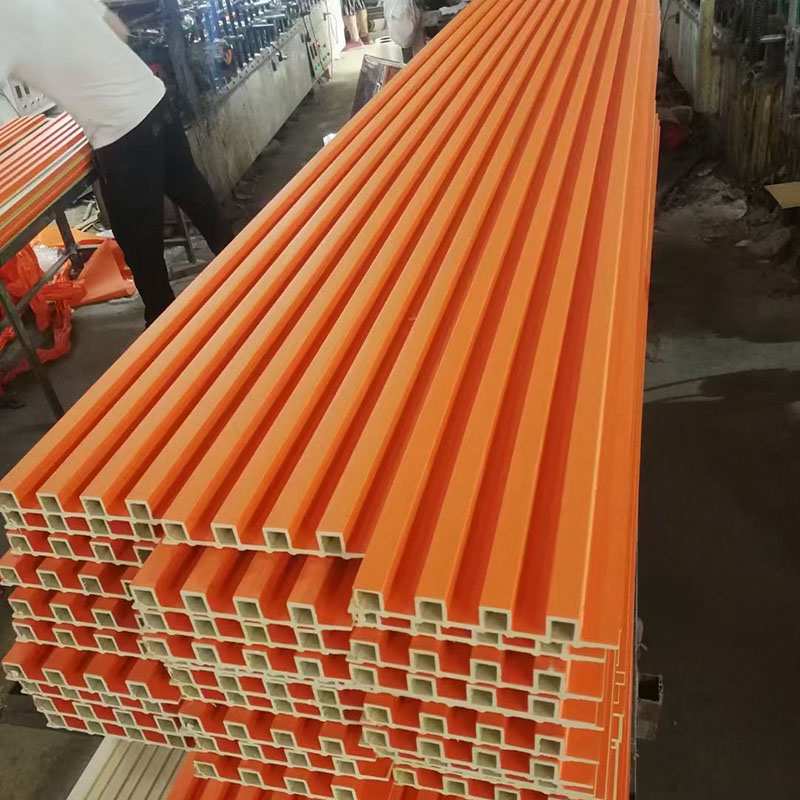
The mixed material is heated and extruded through a mold to form the required wall panel shape. Different molds can produce different profiles, such as fluted panels, flat panels, hollow panels, or exterior cladding boards.
4. Cooling and Shaping
After extrusion, the panel is cooled and stabilized to maintain its shape and size. Proper cooling helps improve dimensional stability.
5. Cutting and Trimming
The panels are cut into standard or customized lengths. Edges may also be trimmed to ensure consistent size and appearance.
6. Surface Treatment
Depending on the product design, WPC wall panels may receive different surface treatments, such as:
- Embossing
- Lamination
- Hot stamping
- Printing
- Brushing
- Coating
These treatments create different colors, textures, and decorative effects.
7. Packaging and Shipping
Finished panels are inspected, packed, and prepared for delivery. For export orders, packaging usually needs to protect the panels during long-distance transportation.
Advantages of WPC Wall Panels
1. Attractive Wood-Like Appearance
WPC wall panels can imitate the look and texture of natural wood. They are available in many colors, grain patterns, and surface finishes, making them suitable for different interior and architectural styles.
2. Good Moisture Resistance
Compared with natural wood, WPC panels are more resistant to moisture. This makes them suitable for areas such as kitchens, bathrooms, basements, and humid climates.
3. Anti-Corrosion and Anti-Mold Performance
WPC materials are less likely to rot, mold, or corrode compared with traditional wood. This helps extend their service life and reduces maintenance costs.
4. Stable Structure
WPC wall panels have better dimensional stability than natural wood. Under normal use conditions, they are less likely to crack, warp, or deform.
5. Easy Installation
Most WPC wall panels are lightweight and easy to install. They can usually be cut, drilled, and fixed using common tools, which helps save labor time during construction.
6. Low Maintenance
WPC wall panels do not require frequent painting, polishing, or sealing. Daily cleaning can usually be done with a soft cloth, water, or mild detergent.
7. Termite Resistance
Because WPC panels contain plastic components and processed wood fiber, they are more resistant to termites and insects than natural wood materials.
8. Wide Design Options
WPC panels can be produced in different profiles, colors, surface textures, and sizes. This gives designers and buyers more flexibility when creating modern decorative spaces.
9. Environmentally Friendly Material Option
Many WPC panels use recycled wood fiber and recycled plastic, helping reduce waste from wood processing and plastic materials. For buyers focused on sustainable building materials, WPC can be a practical choice when sourced from qualified manufacturers.
10. Suitable for Commercial and Residential Projects
WPC wall panels can be used in both home decoration and commercial projects. Their decorative appearance, durability, and low maintenance requirements make them suitable for hotels, apartments, offices, restaurants, shopping malls, and retail stores.
Disadvantages of WPC Wall Panels
Although WPC wall panels have many advantages, buyers should also understand their limitations.
1. Not Exactly the Same as Natural Wood
WPC panels can imitate the look of wood, but they cannot fully replace the premium texture and uniqueness of real solid wood. For high-end projects that require authentic natural wood grain, solid wood may still be preferred.
2. Sensitivity to Extreme Heat
WPC materials may be affected by very high temperatures. They should not be placed close to strong heat sources, and improper cutting methods such as laser cutting may damage the material.
3. Higher Initial Cost Than Some Basic Materials
Compared with ordinary PVC panels or low-cost wall coverings, WPC wall panels may have a higher initial purchase cost. However, the long-term maintenance cost may be lower due to their durability and easy cleaning.
4. Quality Varies by Manufacturer
The performance of WPC panels depends heavily on raw material quality, formula, production equipment, and surface treatment. Buyers should choose suppliers with stable production standards and clear quality control.
WPC Wall Panels vs. Traditional Wood Panels
| Comparison Item | WPC Wall Panels | Traditional Wood Panels |
|---|---|---|
| Material | Wood fiber + plastic + additives | Natural wood |
| Moisture Resistance | Better | Weaker, unless treated |
| Termite Resistance | Better | More vulnerable |
| Maintenance | Low | Relatively high |
| Appearance | Wood-like decorative effect | Natural wood texture |
| Stability | Less likely to warp or crack | May expand, shrink, or crack |
| Cost | Medium to high | Varies greatly |
| Environmental Feature | Can use recycled materials | Depends on wood source |
WPC wall panels are more suitable for projects that require durability, moisture resistance, easy maintenance, and consistent appearance. Traditional wood panels are better for projects that emphasize natural texture and premium material authenticity.
How to Choose Good WPC Wall Panels
When purchasing WPC wall panels, buyers should evaluate the product from several aspects.
1. Check the Application Scenario
Indoor and outdoor WPC panels may use different formulas. Indoor panels focus more on decorative appearance, while outdoor panels require stronger weather resistance and UV resistance.
2. Evaluate Surface Quality
Good WPC panels should have a smooth surface, clear texture, stable color, and no obvious defects such as bubbles, cracks, stains, or uneven coating.
3. Confirm Product Density and Strength
Higher-quality WPC panels usually have better density, stronger structure, and better dimensional stability.
4. Ask About Fire Rating and Environmental Standards
For commercial projects, hotels, apartments, and public spaces, fire rating and environmental certification may be important purchasing factors.
5. Compare Installation Systems
Some WPC wall panels use clips, screws, or interlocking systems. A good installation system can save time and improve the final decorative effect.
6. Choose a Reliable Supplier
For importers, wholesalers, and distributors, supplier reliability is very important. Buyers should pay attention to production capacity, quality control, packaging, delivery time, customization ability, and after-sales support.
Frequently Asked Questions About WPC Wall Panels
1. Are WPC wall panels waterproof?
WPC wall panels generally have good water resistance, but the level of waterproof performance depends on the product formula and structure. For bathrooms, kitchens, or outdoor areas, it is better to choose panels specifically designed for moisture-prone environments.
2. Can WPC wall panels be used outdoors?
Yes, some WPC wall panels are suitable for outdoor use. However, buyers should confirm that the product is outdoor-grade and has UV resistance, weather resistance, and anti-aging performance.
3. Are WPC wall panels environmentally friendly?
Many WPC wall panels are made with recycled wood fiber and recycled plastic. However, environmental performance varies by manufacturer, so buyers should check relevant certifications or test reports when needed.
4. Do WPC wall panels require painting?
Most WPC wall panels do not require painting because they already come with finished surfaces. If a color change is required, special coatings suitable for WPC materials should be used.
5. Are WPC wall panels easy to clean?
Yes. In most cases, dust and stains can be removed with a damp cloth or mild detergent. This makes WPC panels easy to maintain in both residential and commercial spaces.
6. How long can WPC wall panels last?
The service life depends on product quality, installation environment, maintenance, and whether the product is used indoors or outdoors. High-quality WPC panels can have a long service life under proper use.
7. Are WPC wall panels suitable for distributors?
Yes. WPC wall panels are suitable for building material distributors, decoration material wholesalers, project contractors, and retail channels because they are widely used in both residential and commercial decoration markets.
Conclusion
WPC wall panels are modern decorative materials that combine the visual appeal of wood with the practical advantages of composite materials. They offer moisture resistance, durability, easy installation, low maintenance, and a wide range of design options.
For homeowners, designers, contractors, and building material distributors, WPC wall panels provide a practical solution for creating stylish and functional spaces. Whether used for interior feature walls, commercial decoration, or exterior cladding, WPC panels can help improve both the appearance and performance of a project.
When choosing WPC wall panels, buyers should consider application scenarios, material quality, surface finish, installation method, and supplier reliability. A high-quality WPC wall panel product can bring long-term value to residential, commercial, and architectural projects.